
Toe Nail Fungus
Thick, discolored, or crumbling toenails can be frustrating and stubborn to treat on your own. Our board-certified dermatologists can identify the cause and build a care plan that actually works.

You've Tried Everything at the Drugstore. Let's Figure Out What's Really Going On.
Toenail fungus rarely responds to over-the-counter creams and polishes, no matter how patiently you apply them. If your nails are thickening, discoloring, or starting to crumble at the edges, you're not alone, and you're not doing anything wrong. This is a common condition across the Treasure Valley, especially among active hikers, runners, and anyone who spends time in closed-toe shoes at higher altitudes where feet sweat more and dry out less easily.
Many patients tell us they've tried an over-the-counter product for months without any change. A proper diagnosis and a prescription-strength approach can make a real difference where store-bought treatments fall short.
What Is Toenail Fungus?
Toenail fungus, known clinically as onychomycosis, is a fungal infection that lives under and within the nail plate. It's one of the most common nail conditions dermatologists treat, and it tends to worsen slowly over time without proper treatment.
- Caused by dermatophyte fungi, yeast, or mold that thrive in warm, moist environments like shoes and locker rooms
- Often starts as a small white or yellow spot under the nail tip
- Can progress to thickening, crumbling, discoloration, or a foul odor if left untreated
- More common in toenails than fingernails due to reduced blood flow and constant shoe exposure
- Risk increases with age, diabetes, poor circulation, athlete's foot, or a family history of nail fungus
- Can be mistaken for psoriasis, nail trauma, or other nail conditions, which is why an accurate diagnosis matters
What to Expect at Your Appointment
- Evaluation: Your dermatologist examines the nail and may take a small clipping or scraping to confirm the presence of fungus under the microscope or through lab testing
- Diagnosis: Confirming fungal infection versus other nail conditions ensures you're not treating the wrong problem
- Treatment options: Depending on severity, your care plan may include topical antifungal medication, oral antifungal medication, or a combination approach
- Session length: Initial visits typically take about 15 minutes, with follow-up visits to monitor progress
- Downtime: None. Most patients return to normal activity immediately after their visit
- Monitoring: Periodic follow-up appointments help track nail regrowth and treatment response over several months
What Results Can You Expect?
Toenail fungus treatment requires patience, since nails grow slowly and a fully clear nail can take many months to grow out. Many patients find that consistent treatment leads to gradual improvement in nail appearance over time.
- Toenails typically take 9 to 12 months to fully grow out, so visible improvement is gradual, not immediate
- Many patients notice the new, healthier nail growth starting at the base within a few months of treatment
- Oral antifungal medications generally show higher success rates than topical treatments alone for moderate to severe cases
- Consistency with the prescribed care plan is one of the most important factors in outcome
- Recurrence is possible, especially without ongoing foot hygiene and preventive habits, so your dermatologist may recommend maintenance steps
Who Is a Good Candidate?
- Adults noticing thickened, yellowed, or crumbling toenails that haven't responded to over-the-counter treatment
- Active individuals, hikers, and athletes across the Treasure Valley who spend significant time in closed-toe shoes or communal showers and locker rooms
- Patients with diabetes or circulation concerns who need careful monitoring of foot and nail health
- Anyone unsure whether their nail changes are fungal, related to psoriasis, or caused by another underlying condition
- Older adults, since toenail fungus becomes more common with age
- Patients who've tried drugstore treatments without success and want a medical-grade approach
Frequently Asked Questions
How do I know if I actually have toenail fungus and not something else?
Nail discoloration and thickening can have several causes, including psoriasis, trauma, or other infections, which is why an in-office evaluation matters. Your dermatologist can take a small nail sample to confirm a fungal diagnosis before recommending treatment, so you're not guessing or wasting time on the wrong product.
Are oral antifungal medications safe?
Oral antifungal medications are commonly prescribed for toenail fungus and are generally well-tolerated by most patients. Your dermatologist will review your health history, including liver function and any current medications, to determine whether an oral option is appropriate for you.
How long until my nail looks normal again?
Because toenails grow slowly, it typically takes 9 to 12 months for a nail to fully grow out and replace the affected portion. Many patients start noticing healthier new growth near the base of the nail within the first few months of consistent treatment.
Can toenail fungus come back after treatment?
Yes, recurrence is possible, particularly if shoes, socks, or nail tools harbor fungal spores after treatment. Your dermatologist can walk you through simple preventive habits, like rotating shoes and treating athlete's foot promptly, to help reduce your risk going forward.
Do I need a referral to be seen for toenail fungus?
No referral is needed. You can schedule directly with Treasure Valley Dermatology at either our Boise or Meridian location for an evaluation.
Why Choose Treasure Valley Dermatology
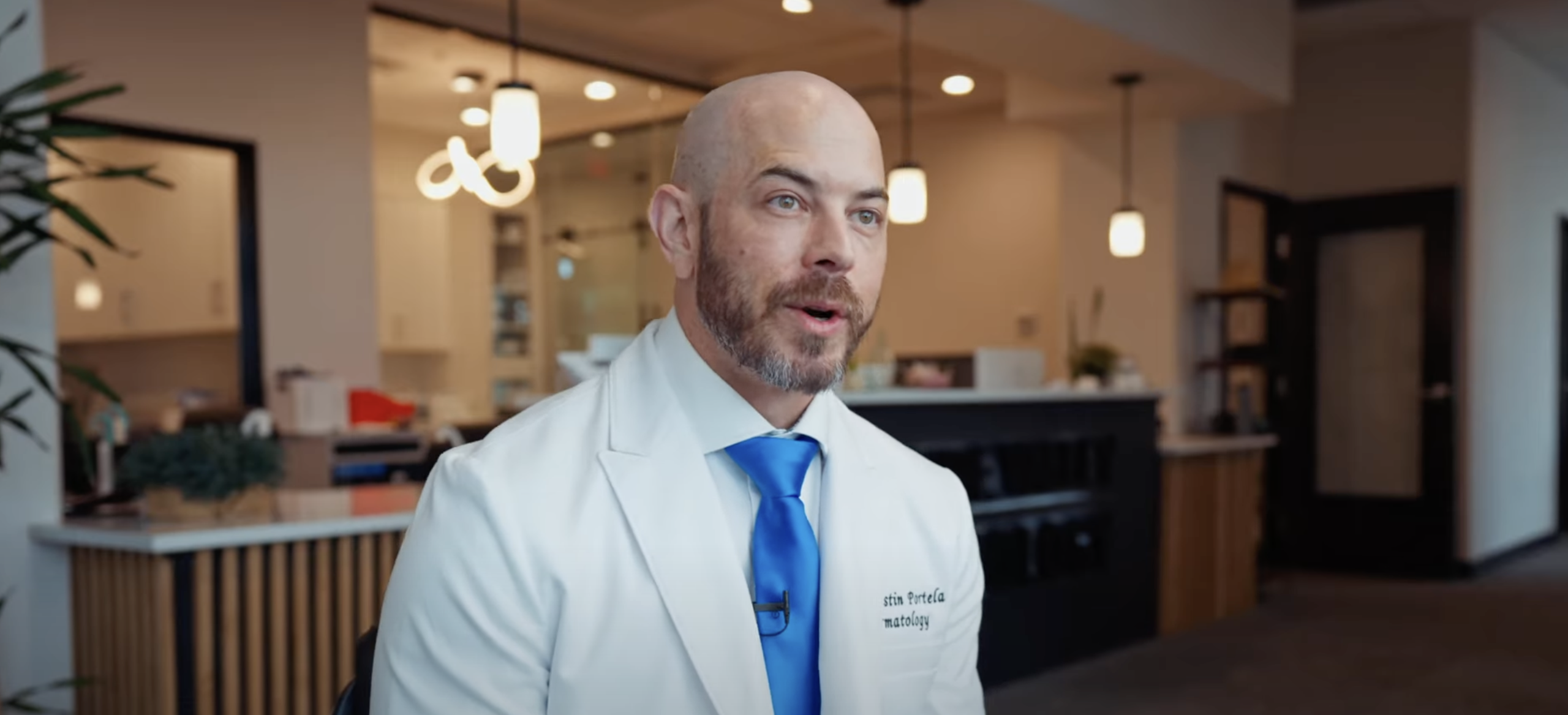
Toenail fungus deserves the same level of clinical attention as any other skin or nail condition, and our team brings genuine expertise to every visit. Dr. Dustin Portela, a board-certified dermatologist, dermatologic surgeon, and Idaho native, and Dr. Kelsey Ferrell, a board-certified dermatologist and fellowship-trained Mohs surgeon, and Dr. Ben Buttars, a board-certified dermatologist, lead a practice built on identifying the underlying cause of every patient's concern, not just treating symptoms on the surface.
- Accurate diagnosis before treatment, so you're never guessing what's actually going on with your nails
- Full-family dermatology care for children, adults, and seniors across the Treasure Valley
- Two convenient locations in Boise and Meridian, serving Eagle, Nampa, Caldwell, Star, Kuna, and surrounding communities
- 700+ five-star reviews from patients who describe our team as thorough, attentive, and "committed to identifying the underlying causes" of their skin and nail concerns
- A staff culture patients describe as "a breath of fresh air," with medical assistants and front staff consistently praised for professionalism and care
Ready to Get Your Nails Checked?
You don't have to keep guessing with over-the-counter products that aren't working. Our board-certified dermatologists can confirm what's causing your nail changes and build a care plan tailored to you.
Schedule your appointment today at dermatologyboise.com/schedule-an-appointment, with convenient locations in Boise and Meridian ready to serve you and your family.
Boise's skin experts
We specialize in treating both children and adults with both common and uncommon skin problems. We treat acne, warts, hair loss, eczema, skin cancer, itchy skin, perform skin checks, have a comprehensive skin cancer prevention system and offer many more services.