
Precancers (Actinic Keratoses) Treatment
Actinic keratoses are the most common precancer we see in the Treasure Valley. Treating them early is simple, quick, and one of the best ways to prevent skin cancer.

Those Rough Spots Are Worth Taking Seriously
Maybe you have noticed a few rough, sandpaper-like patches on your forehead, scalp, ears, or the backs of your hands. They come and go, sometimes flake off, and never quite heal. Many people assume they are just dry skin.
Often, they are actinic keratoses, also called precancers. They develop after years of sun exposure, and Idaho's high altitude, 200-plus sunny days, and outdoor culture make them extremely common here. Left alone, a small percentage can progress into squamous cell carcinoma. Treated early, they are removed quickly and with very little disruption to your day.
What Precancers (Actinic Keratoses) Are
An actinic keratosis (AK) is a patch of abnormal skin cells caused by cumulative ultraviolet damage. AKs are considered precancerous because some can develop into squamous cell carcinoma over time.
- Feel rough, dry, or scaly, often easier to feel than to see
- Usually pink, red, tan, or skin-colored, and typically smaller than a pencil eraser
- Most common on the face, ears, scalp, neck, forearms, and backs of the hands
- May sting, itch, or feel tender
- Often appear in clusters across a larger area of sun-damaged skin, sometimes called field damage
- Most common in adults over 40 with fair skin and a history of outdoor work or recreation
How We Treat Precancers
Treatment depends on how many spots you have, where they are, and whether they are isolated or spread across a wider area of sun-damaged skin.
- Cryotherapy (liquid nitrogen): The most common treatment for individual AKs. Liquid nitrogen is applied for a few seconds to freeze and destroy the abnormal cells. The spot blisters or crusts and falls away over one to two weeks.
- Topical chemotherapy: Prescription creams such as 5-fluorouracil or imiquimod applied at home over several weeks to treat many AKs across a larger area at once.
- Electrodesiccation and curettage (ED&C): Thicker or stubborn AKs are scraped away and the base is treated with a gentle electric current.
- Laser resurfacing: For widespread sun damage, laser treatment can clear a field of precancers while also improving skin texture and tone.
- Shave removal and biopsy: If a spot is thick, tender, or growing, your provider may remove it and send it to pathology to rule out squamous cell carcinoma.
What to Expect at Your Visit
- Skin exam: Your provider checks the spots you are concerned about along with the rest of your sun-exposed skin
- Same-day treatment: Cryotherapy for individual spots is usually done during the same visit and takes only a few minutes
- Comfort: Liquid nitrogen feels like a brief, sharp cold sting that fades within minutes. No anesthesia is needed
- Healing: Treated spots redden, may blister, then crust and fall off over one to two weeks
- Field treatment: If you have many AKs, your provider may recommend a topical or laser plan and schedule follow-up to check your skin's response
- Ongoing care: Because new AKs can form with continued sun exposure, regular skin checks are recommended
What Results Typically Look Like
Most individual actinic keratoses resolve completely after a single cryotherapy treatment. Topical and laser treatments for larger areas cause temporary redness and peeling, followed by smoother, healthier-looking skin as the precancerous cells clear.
- Cryotherapy-treated spots typically heal within one to two weeks, sometimes leaving a small lighter area
- Topical chemotherapy causes several weeks of redness and crusting, which is a sign the treatment is working
- Treating a field of AKs reduces the number of future spots and lowers the risk of squamous cell carcinoma
- Daily sun protection is the most important step to prevent new precancers from forming
Who Should Be Evaluated
- Adults with rough, scaly, or crusty spots on the face, scalp, ears, hands, or forearms
- Idaho residents with years of outdoor work or recreation: farming, construction, skiing, hiking, boating, or golf
- Anyone with a history of sunburns, tanning bed use, or a prior skin cancer
- Patients with fair skin, light eyes, or a family history of skin cancer
- Anyone with a spot that is tender, thickening, bleeding, or not healing
- Adults over 40 who have not had a full skin check in the past year
Frequently Asked Questions
Are actinic keratoses cancer?
No. They are precancerous, meaning they are abnormal cells that can develop into squamous cell carcinoma over time. Treating them removes that risk before it becomes cancer.
Does liquid nitrogen treatment hurt?
Most patients describe a brief cold sting that lasts a few seconds and a mild throb for a few minutes afterward. No numbing is needed, and most people return to their normal day immediately.
How many spots can be treated in one visit?
Several individual spots can be frozen in a single visit. If you have a large number across one area, your provider may recommend a topical cream or laser treatment to address the whole field at once.
Will precancers come back?
Treated spots usually do not return in the same place, but new ones can form on skin that has already had years of sun damage. Regular skin checks and daily sun protection are the best way to stay ahead of them.
Is treatment covered by insurance?
Treatment of actinic keratoses is a medical service and is typically covered by insurance, though coverage varies by plan. Our team can help answer questions about your specific plan during your visit.
Why Treasure Valley Dermatology
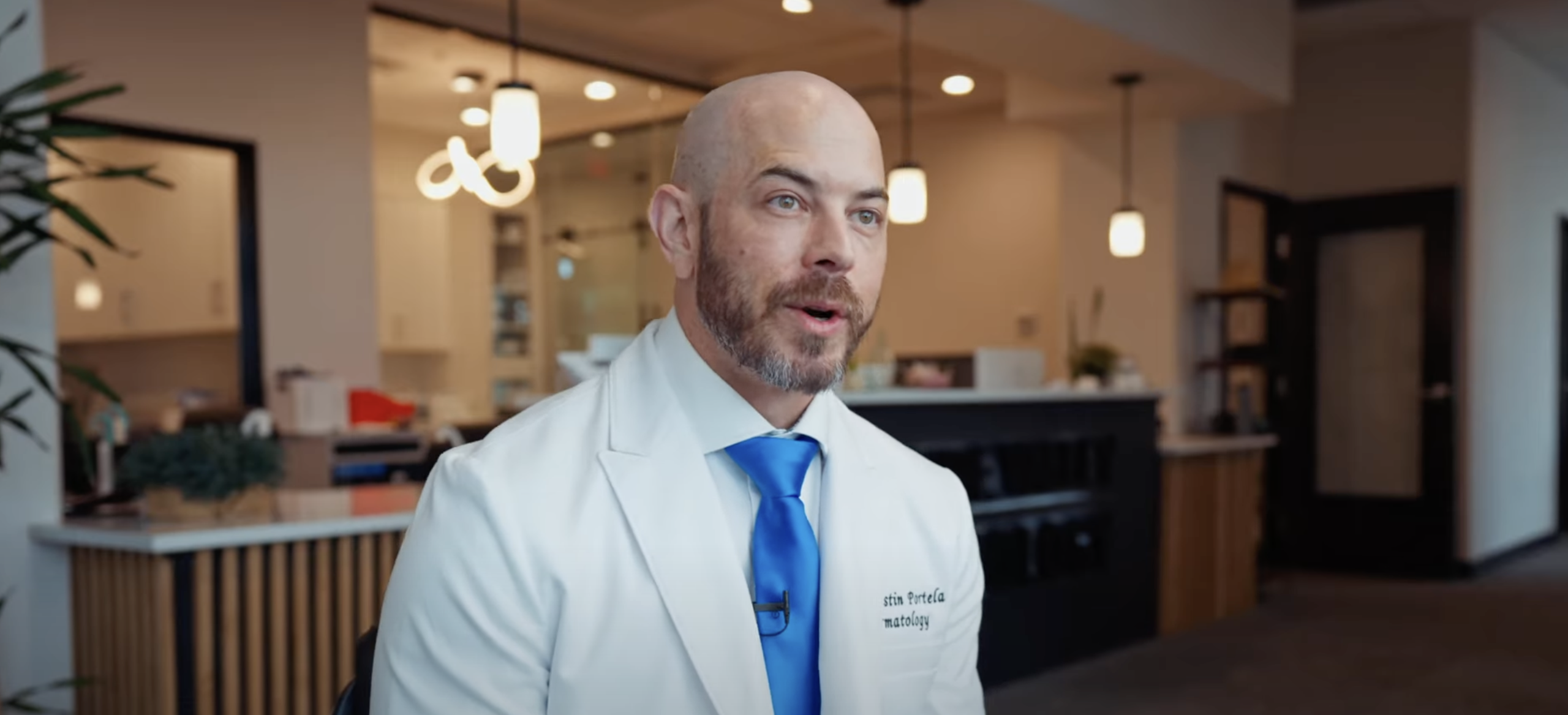
Treasure Valley Dermatology is home to Dr. Dustin Portela, Dr. Kelsey Ferrell, and Dr. Ben Buttars, board-certified dermatologists and experts in skin cancer surgery, including fellowship-trained Mohs surgeon Dr. Ferrell. Patients may be seen by any of our providers, and if a precancer has already progressed, the same team can treat it without referring you elsewhere.
- Board-certified dermatologists and experts in skin cancer surgery under one roof
- A full range of precancer treatments, from liquid nitrogen and topical chemotherapy to ED&C and laser, so the plan fits your skin
- Providers who understand the specific sun exposure risks tied to Idaho's altitude and outdoor lifestyle
- 700+ five-star reviews from patients who describe the team as thorough, warm, and "a breath of fresh air"
- Two convenient locations in Boise and Meridian serving Eagle, Nampa, Caldwell, Star, Kuna, and surrounding communities
Get Your Spots Checked Before They Become Something More
Treating a precancer takes minutes. Treating a skin cancer takes a lot more. Schedule a skin check today at dermatologyboise.com/schedule-an-appointment at our Boise or Meridian location.
Boise's skin experts
We specialize in treating both children and adults with both common and uncommon skin problems. We treat acne, warts, hair loss, eczema, skin cancer, itchy skin, perform skin checks, have a comprehensive skin cancer prevention system and offer many more services.