
Basal Cell Carcinoma
Found a spot that won't heal or keeps bleeding? Our board-certified dermatologists and experts in skin cancer surgery can help you understand what it is and what to do next.

You Found Something on Your Skin. Here's What to Do Next.
Maybe it's a small pink bump that bleeds when you shave. Maybe it's a spot on your nose or ear that scabs over, heals, and comes back again. If you've been putting off getting it checked, you're not alone, and you're not overreacting by wanting an answer.
Idaho's high-altitude sun exposure means many of our patients spend years hiking, skiing, boating, and working outdoors before a spot like this ever shows up. Basal cell carcinoma is the most common skin cancer we see in the Treasure Valley, and it is also one of the most treatable when caught and managed by an experienced team.
Our board-certified dermatologists and experts in skin cancer surgery evaluate spots like this every day. Patients may be seen by any of our providers, and every member of our team is trained to evaluate and treat skin cancer. You don't need to have all the answers before you call. You just need to get looked at.
What Is Basal Cell Carcinoma?
Basal cell carcinoma (BCC) is a type of skin cancer that begins in the basal cells, found in the lower layer of the epidermis. It's the most common form of skin cancer diagnosed in the United States and grows slowly in most cases.
- Most often appears on sun-exposed areas: the face, ears, neck, scalp, shoulders, and back
- Can look like a pearly or waxy bump, a flat flesh-colored or brown scar-like lesion, or a sore that bleeds and doesn't fully heal
- Rarely spreads to other parts of the body, but can grow into surrounding tissue if left untreated
- Linked closely to cumulative UV exposure, including Idaho's high-altitude sun and years of outdoor recreation
- More common in adults over 50, but can occur in younger patients with significant sun exposure or family history
What to Expect at Your Visit
- Skin exam: One of our providers will examine the spot closely, along with a broader check of your skin for any other areas of concern
- Biopsy: If a spot looks suspicious, a small sample is taken during the same visit, typically well-tolerated with minimal discomfort using local numbing
- Results and diagnosis: Biopsy results usually return within one to two weeks, and our team will walk you through what they mean
- Treatment planning: Depending on the location, size, and depth of the BCC, treatment options may include Mohs micrographic surgery, excision, or topical or destructive therapies
- Mohs surgery, if needed: Performed in-office, layer by layer, checking margins under the microscope in real time to remove all cancer cells while preserving as much healthy tissue as possible
- Follow-up care: After treatment, we'll schedule regular skin checks to monitor for recurrence or new spots
What Results and Recovery Typically Look Like
Most basal cell carcinomas are successfully treated with high cure rates, especially when caught early. Many patients find that Mohs surgery offers the most precise option for areas like the face, where preserving healthy tissue matters most.
- Mohs surgery typically has the highest cure rate of available BCC treatments
- Healing time varies by treatment type and location, often ranging from one to a few weeks
- Scarring is generally minimal to moderate and improves in appearance over several months
- Ongoing annual or biannual skin checks are recommended, since having one BCC can increase the likelihood of developing another over time
Who Should Get Checked
- Anyone with a new spot, bump, or sore that hasn't healed within a few weeks
- Patients with a history of significant sun exposure, tanning bed use, or sunburns, including years spent enjoying Idaho's outdoor lifestyle
- Adults over 40, particularly those with fair skin, light eyes, or a family history of skin cancer
- Anyone who has been previously treated for basal cell carcinoma and needs ongoing monitoring
- Patients who simply want a professional opinion on a spot they've been watching, even if it seems minor
Frequently Asked Questions
How do I know if a spot is basal cell carcinoma or something harmless?
It's difficult to tell just by looking, which is exactly why an in-person exam matters. Common signs include a sore that bleeds and doesn't heal, a shiny or pearly bump, or a flat, scar-like patch. If you notice any of these, it's worth having one of our providers take a look rather than waiting to see if it goes away.
Is a biopsy painful?
Most patients describe the biopsy as well-tolerated with only minimal discomfort. The area is numbed with a local anesthetic first, so you may feel a small pinch but shouldn't feel the biopsy itself.
What is Mohs surgery and why does it matter for basal cell carcinoma?
Mohs surgery is a precise, in-office surgical technique where thin layers of tissue are removed and examined under a microscope one at a time until no cancer cells remain. It offers one of the highest cure rates available for basal cell carcinoma while preserving as much healthy surrounding tissue as possible, which matters most on cosmetically sensitive areas like the face, ears, and scalp.
Will I need surgery for every basal cell carcinoma?
Not necessarily. Treatment depends on the size, location, and depth of the lesion. Some early or superficial BCCs can be treated with topical medications or in-office procedures, while others are better suited to excision or Mohs surgery, which your provider will discuss with you after diagnosis.
How often should I have a skin cancer screening after treatment?
Most patients who have been treated for basal cell carcinoma return for a skin check every six to twelve months, since having one BCC increases the chance of developing another. Your provider will recommend a follow-up schedule based on your history and risk factors.
Why Treasure Valley Dermatology
Treasure Valley Dermatology is home to board-certified dermatologists and experts in skin cancer surgery Dr. Dustin Portela, Dr. Kelsey Ferrell, and Dr. Ben Buttars, including fellowship-trained Mohs surgeon Dr. Ferrell. That means patients diagnosed with basal cell carcinoma have direct access to advanced surgical expertise without being referred elsewhere or waiting months for specialty care.
- Board-certified dermatologists and experts in skin cancer surgery under one roof, including fellowship-trained Mohs surgeon Dr. Ferrell
- Dr. Portela, an Idaho native, Dr. Ferrell, a Boise State University graduate, and Dr. Buttars, all known for a genuine, attentive approach to patient care
- 700+ five-star reviews from patients who describe the team as thorough, warm, and "a breath of fresh air"
- Full-service care for the whole family, from pediatric skin concerns to adult skin cancer screening and surgery
- Two convenient locations in Boise and Meridian, serving Eagle, Nampa, Caldwell, Star, Kuna, and surrounding communities
- Access to clinical trials for patients seeking additional treatment options
Get That Spot Checked Today
If you've been putting off getting a spot examined, this is your reminder that early evaluation makes a real difference. Our providers are ready to give you a clear answer and a straightforward care plan, whether that means simple monitoring or same-team Mohs surgery.
Schedule your visit today at dermatologyboise.com/schedule-an-appointment, with convenient appointments available at our Boise and Meridian locations.
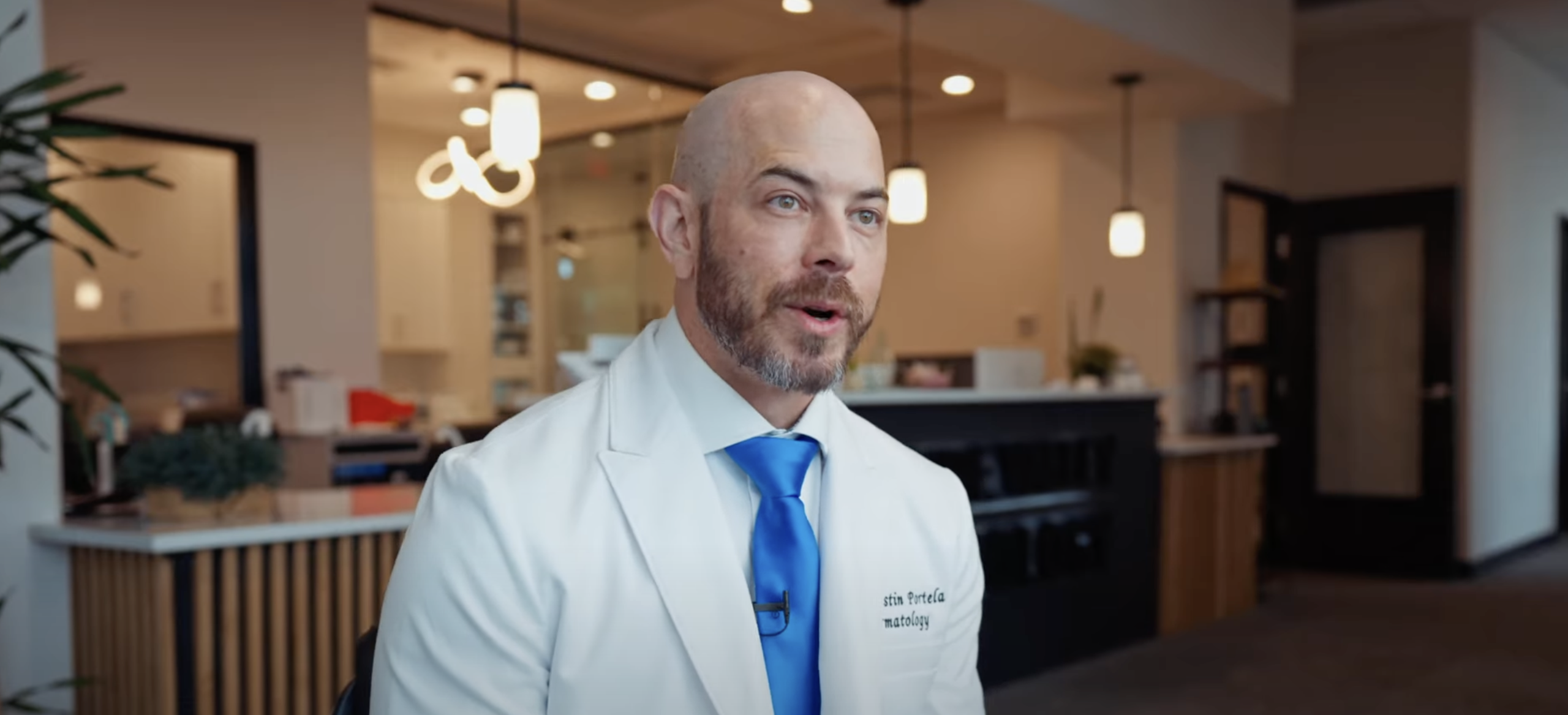
Boise's skin experts
We specialize in treating both children and adults with both common and uncommon skin problems. We treat acne, warts, hair loss, eczema, skin cancer, itchy skin, perform skin checks, have a comprehensive skin cancer prevention system and offer many more services.