
Keloids
If a raised, thickened scar keeps growing or won't stop bothering you, our board-certified dermatologists can help you understand your options and find real relief.

When a Scar Won't Stay Where It Should
Maybe it started with an ear piercing, a bout of teenage acne, or a small cut that healed the wrong way. Instead of fading, the scar kept growing, becoming raised, firm, and sometimes itchy or tender to the touch.
Idaho families are active outdoors, and skin injuries from sports, gardening, or everyday life are common. When a scar doesn't behave the way it should, it's frustrating, and it's normal to want answers from someone who actually understands why it's happening.
Dr. Dustin Portela, Dr. Kelsey Ferrell, and Dr. Ben Buttars see keloids regularly and know how to talk through realistic options with patients who are ready to feel comfortable in their own skin again.
What a Keloid Actually Is
A keloid is a type of raised scar that grows beyond the original wound, forming firm, thickened tissue that can extend past the borders of the initial injury.
- Forms when the skin overproduces collagen during the healing process
- Can develop from piercings, acne, surgical incisions, burns, or even minor scratches
- Most commonly appears on the earlobes, chest, shoulders, and upper back
- Tends to run in families and is more common in people with darker skin tones
- Different from a hypertrophic scar, which stays within the boundaries of the original wound
- Can be itchy, tender, or simply bothersome cosmetically, depending on location and size
What to Expect at Your Visit
Every keloid is different, so your care plan starts with a thorough exam and conversation about your goals.
- Evaluation: Dr. Portela, Dr. Ferrell, or Dr. Buttars examines the keloid, discusses its history, and reviews any prior treatments
- Treatment options: may include corticosteroid injections, laser therapy, silicone sheeting, cryotherapy, or surgical removal depending on size and location
- Session length: injections typically take just a few minutes, while surgical options may require more planning time
- Downtime: injection-based treatments generally involve minimal discomfort and little to no recovery time
- Follow-up visits: many keloids respond best to a series of treatments spaced several weeks apart
- Combination approach: some patients benefit from pairing treatments, such as steroid injections alongside laser therapy, to help manage both size and appearance
What Results Can Look Like
Keloids can be stubborn, and it's important to have honest expectations from the start. Many patients find that with consistent treatment, a keloid can flatten and soften over time, though complete resolution isn't guaranteed and recurrence is possible, especially without a maintenance plan.
- Improvement is often gradual, with visible changes over several weeks to months
- Some keloids respond well to injections alone, while others need a combination approach
- Surgical removal carries a risk of recurrence, which is why many care plans include follow-up treatment to reduce that risk
- Your dermatologist will set realistic, individualized expectations based on the size, location, and history of your keloid
Who This Is For
Keloid treatment may be a good fit if you recognize any of the following:
- You have a raised or thickened scar that has grown larger than the original wound or injury
- Your scar is itchy, tender, or catches on clothing and jewelry
- You're self-conscious about a keloid on your ears, chest, shoulders, or back
- You've tried over-the-counter scar treatments without success
- You have a history of keloids and want to manage a new one early, before it grows further
- You're a teenager or adult dealing with a keloid from a piercing, acne, or a past surgery
- You're considering a new piercing or procedure and want guidance if you're prone to keloid scarring
We see patients of all ages across the Treasure Valley, from teens with piercing-related keloids to adults managing longstanding scars.
Can a keloid go away on its own?
Keloids rarely resolve completely without treatment. They can sometimes stabilize or soften slightly over years, but most patients see better, faster improvement with a targeted care plan from a dermatologist.
Is keloid treatment covered by insurance?
Coverage depends on your individual plan and whether the treatment is considered medically necessary. Our team can help verify benefits and discuss options during your consultation.
Will the keloid come back after treatment?
Recurrence is possible, particularly after surgical removal alone. Many patients reduce this risk with a combination approach, such as pairing surgery with steroid injections or other follow-up care.
Do keloid injections hurt?
Most patients tolerate corticosteroid injections well, describing minimal discomfort that passes quickly. Your dermatologist can also discuss numbing options if you're concerned about sensitivity.
Should I get a new piercing if I've had a keloid before?
If you have a personal or family history of keloids, it's worth discussing this with your dermatologist before getting a new piercing or elective procedure. Early guidance can help you make an informed decision and catch any new keloid early if one develops.
Why Treasure Valley Dermatology
Keloids can be complex to treat well, and having the right expertise matters. Dr. Dustin Portela, Dr. Kelsey Ferrell, and Dr. Ben Buttars are board-certified dermatologists and experts in skin cancer surgery, and Dr. Ferrell is a fellowship-trained Mohs surgeon, giving Treasure Valley Dermatology a surgical precision that few practices in the region can offer.
- Board-certified dermatologists and experts in skin cancer surgery under one roof, bringing advanced surgical skill to scar and keloid management
- 700+ five-star reviews from patients who describe the practice as "a breath of fresh air"
- Full-family care, from pediatric piercing-related keloids to adult scar revision
- Two convenient locations serving Boise, Meridian, Eagle, Nampa, Caldwell, Star, and Kuna
- A team patients describe as genuinely caring, with medical assistants and front staff who go "above and beyond"
- Access to clinical trials for patients seeking additional treatment options
Ready to Talk About Your Options?
You don't have to live with a scar that bothers you. Dr. Portela, Dr. Ferrell, and Dr. Buttars can walk you through realistic treatment options and help you build a care plan suited to your specific keloid.
Schedule a consultation today at dermatologyboise.com/schedule-an-appointment or call one of our two Treasure Valley locations in Boise or Meridian. Our team is ready to help you feel more comfortable in your skin.
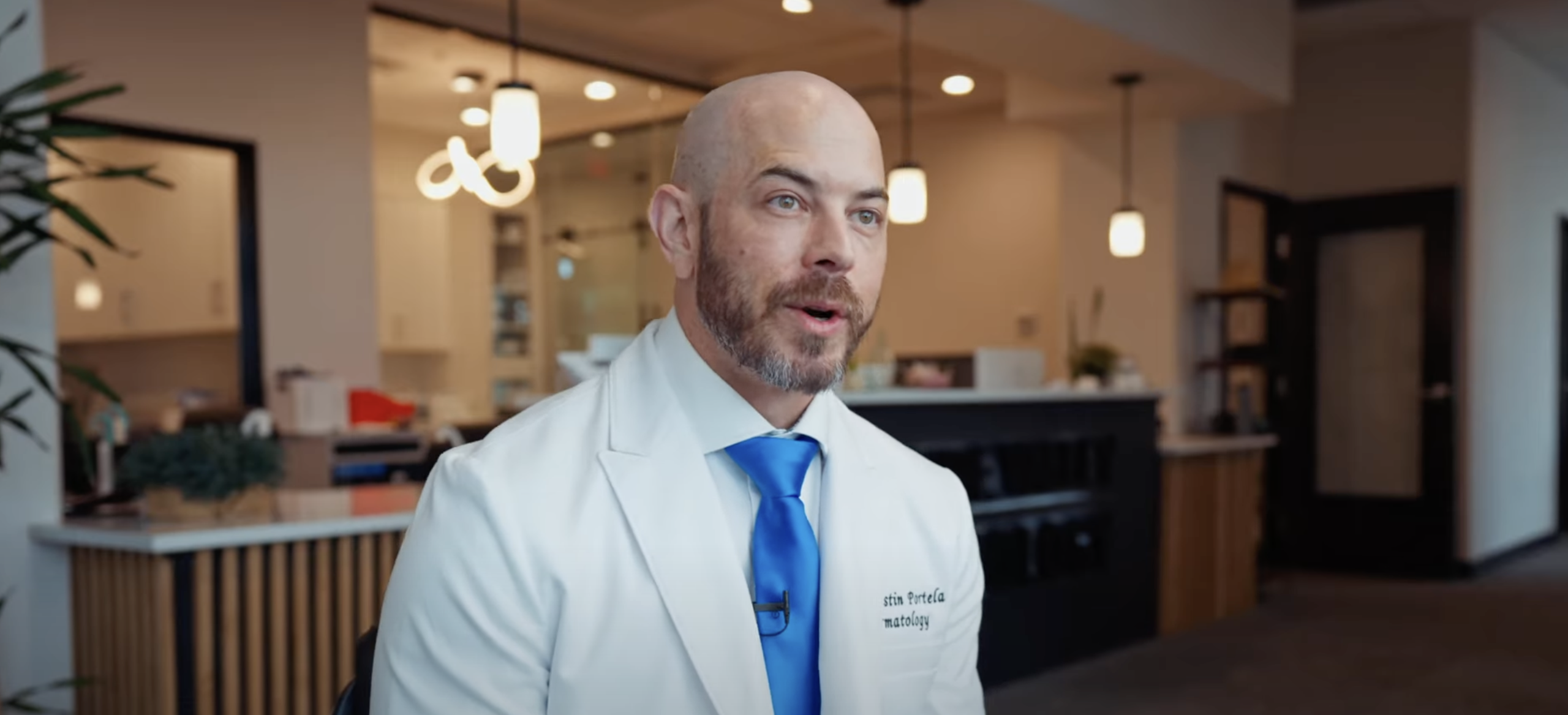
Boise's skin experts
We specialize in treating both children and adults with both common and uncommon skin problems. We treat acne, warts, hair loss, eczema, skin cancer, itchy skin, perform skin checks, have a comprehensive skin cancer prevention system and offer many more services.