
Skin Cancer Prevention
For patients with a history of sun damage or previous skin cancers, niacinamide may offer an added layer of protection when combined with regular screenings and sun-safe habits.

Living With Idaho Sun, Year After Year
If you have spent decades hiking the Boise foothills, skiing at Bogus Basin, floating the river in July, or simply working outdoors across the Treasure Valley, your skin has carried the weight of that lifestyle. Idaho's high altitude means more direct UV exposure than lower elevations, even on cloudy or cool days, and many longtime residents are now noticing the effects: new spots, rough patches, or a growing list of past sunburns they wish they could take back.
If you have already been treated for one or more skin cancers, or your dermatologist has flagged you as high risk, you may be looking for anything reasonable to add to your prevention plan. That is a conversation worth having, and it starts with understanding what the research actually supports. Patients may be seen by any of our providers, and every member of our team is trained to evaluate and treat skin cancer.
What Niacinamide Is and Why It Comes Up in Skin Cancer Prevention
Niacinamide is the amide form of vitamin B3, available as an oral supplement. It has been studied specifically in patients with a history of non-melanoma skin cancers, and some research suggests it may help support the skin's ability to repair UV-related DNA damage.
- Niacinamide is different from niacin, the form of vitamin B3 known for causing flushing
- It is taken orally, typically as a twice-daily supplement
- Research has focused primarily on patients with a history of basal cell carcinoma or squamous cell carcinoma, or actinic keratoses
- It is considered a well-tolerated, low-risk addition for appropriate candidates, not a replacement for sunscreen or skin checks
- It is available over the counter, but dosing and candidacy should be discussed with a dermatologist familiar with your skin history
What to Expect When You Bring This Up With Your Dermatologist
- Initial consultation: One of our providers will review your personal and family skin cancer history, current medications, and overall sun exposure pattern
- Full skin exam: Before recommending any prevention strategy, your provider will perform or update a full-body skin cancer screening to establish a baseline
- Discussion of candidacy: Not every patient is a good fit, and your dermatologist will explain whether niacinamide makes sense alongside your other risk factors
- Ongoing monitoring: If you start niacinamide, it is layered into your regular follow-up visits rather than replacing them
- Sun protection review: Your provider will also talk through daily SPF habits, protective clothing, and avoiding peak UV hours, especially relevant given Idaho's elevation and intense summer sun
Realistic Expectations Around Prevention
Niacinamide is not a treatment for existing skin cancer, and it does not replace sunscreen, protective clothing, or annual skin checks. It is best understood as one additional tool that some patients, particularly those with a documented history of non-melanoma skin cancers, may incorporate into a broader prevention plan.
- Any potential benefit relates to reducing future risk in high-risk patients, not treating current lesions
- Results are not immediate and are typically evaluated over months to years of consistent daily use
- Your dermatologist will continue full-body skin checks on a regular schedule regardless of whether you start niacinamide
- Many patients find peace of mind in adding a reasonable, low-risk step to their existing prevention routine
Who May Be a Candidate
- Adults with a personal history of basal cell carcinoma or squamous cell carcinoma
- Patients with multiple actinic keratoses or significant cumulative sun damage
- Fair-skinned individuals with a long history of outdoor work, farming, ranching, or recreation across the Treasure Valley
- Patients who are immunosuppressed or otherwise considered higher risk for skin cancer
- Anyone already engaged in regular skin cancer screenings who wants to discuss additional prevention options with their dermatologist
- This is generally discussed with adult patients, not typically recommended for children
Frequently Asked Questions
Is niacinamide the same as niacin?
No. Niacinamide is a different form of vitamin B3 and does not cause the flushing sensation commonly associated with niacin supplements. They are metabolized differently in the body, which is part of why niacinamide has been the focus of skin cancer prevention research rather than niacin.
Can niacinamide replace sunscreen or regular skin checks?
No. Niacinamide is considered a possible addition to a prevention plan, not a substitute for daily sun protection or annual skin cancer screenings. Our providers will always recommend continuing both regardless of whether niacinamide is part of your routine.
Who should not take niacinamide for prevention?
Candidacy depends on your personal skin cancer history, current medications, and other health factors, which is why this should be discussed directly with your dermatologist rather than started on your own. Some patients may not be appropriate candidates, and your provider can walk you through the reasoning during your visit.
How long before I would notice any difference?
Because niacinamide is studied as a prevention strategy rather than a treatment, there is no visible or immediate change to expect. Any potential benefit relates to long-term risk reduction and is typically discussed in the context of ongoing skin monitoring over time.
Do I need a full skin exam before starting niacinamide?
Yes. Before recommending niacinamide or any prevention strategy, your dermatologist will want to perform or review a recent full-body skin cancer screening to understand your current risk and establish a baseline for future visits.
Why Patients Across the Treasure Valley Trust TVD With Their Skin Cancer Prevention
Treasure Valley Dermatology is home to Dr. Dustin Portela, DO, a board-certified dermatologist, dermatologic surgeon, and Idaho native, and Dr. Kelsey Ferrell, DO, a board-certified dermatologist and fellowship-trained Mohs surgeon, and Dr. Ben Buttars, DO, a board-certified dermatologist. All three physicians are board-certified dermatologists and experts in skin cancer surgery, giving TVD advanced skin cancer surgical care under one roof.
- Full-body skin cancer screenings and prevention planning for patients of all ages
- Board-certified dermatologists and experts in skin cancer surgery, including fellowship-trained Mohs surgeon Dr. Ferrell, available for surgical treatment if a suspicious lesion is found
- Access to clinical trials for patients interested in emerging prevention and treatment research
- 700+ five-star reviews reflecting a practice patients describe as "a breath of fresh air"
- Two convenient locations in Boise and Meridian, serving Eagle, Nampa, Caldwell, Star, Kuna, and surrounding communities
- Patients consistently note that "so busy but you still feel like you're their only patient" describes their experience at TVD
Talk to Us About a Prevention Plan That Fits Your Skin
If you have a history of skin cancer or significant sun exposure and want to explore whether niacinamide or other prevention strategies belong in your care plan, our providers are ready to talk through your options. Schedule a visit at either our Boise or Meridian location by visiting dermatologyboise.com/schedule-an-appointment, and let's build a prevention plan around your skin, your history, and your Idaho lifestyle.
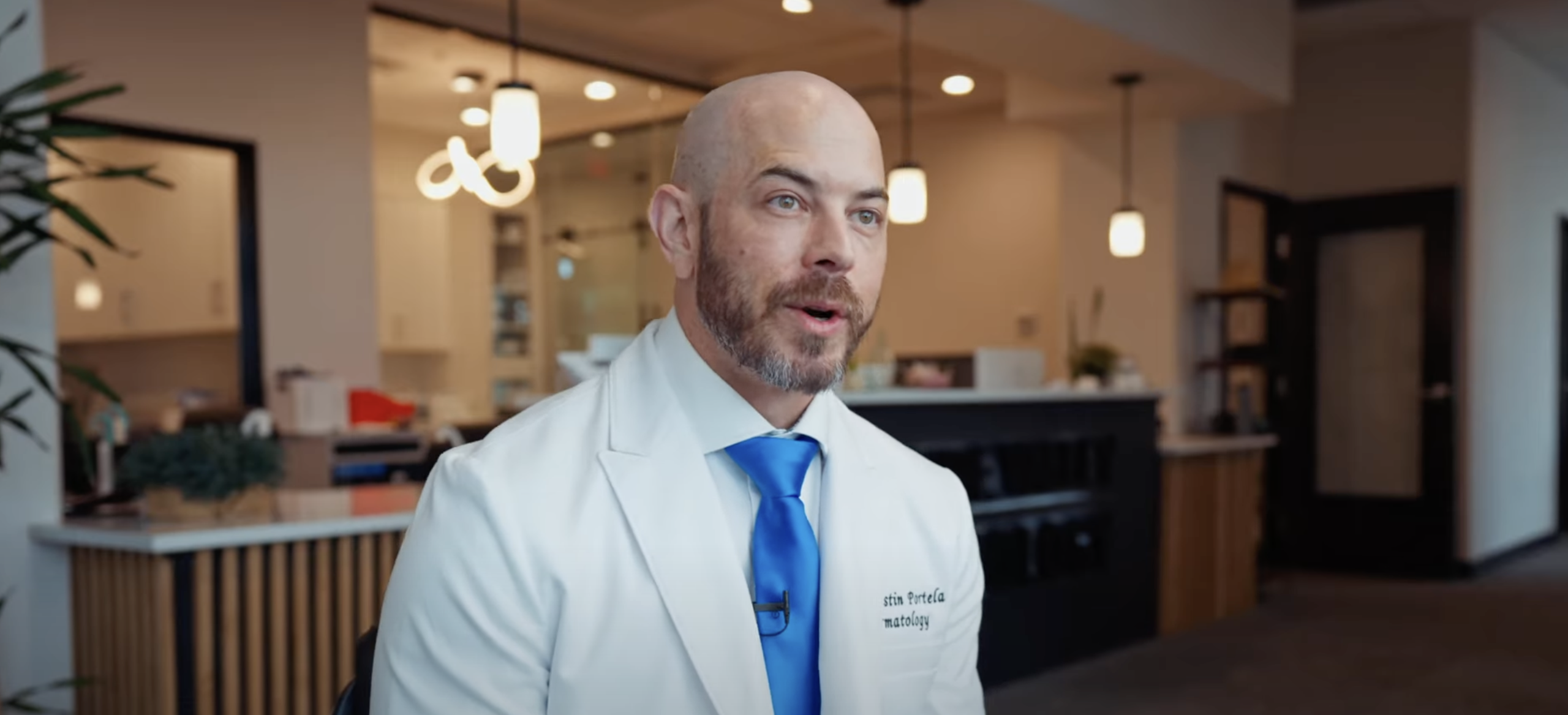
Boise's skin experts
We specialize in treating both children and adults with both common and uncommon skin problems. We treat acne, warts, hair loss, eczema, skin cancer, itchy skin, perform skin checks, have a comprehensive skin cancer prevention system and offer many more services.