
Squamous Cell Carcinoma
Found a spot that's scaly, crusty, or won't heal? Our board-certified dermatologists and experts in skin cancer surgery provide expert diagnosis and treatment for squamous cell carcinoma, right here in the Treasure Valley.

You Noticed Something. That Takes Courage, and We're Glad You're Here.
Maybe it's a rough, scaly patch that won't go away. Maybe it's a sore that keeps scabbing over and reopening. Whatever brought you here, finding a suspicious spot on your skin can feel unsettling, and wondering if it's something serious is exhausting.
You don't have to figure this out alone. Idaho's high-altitude sun and our region's outdoor lifestyle, from river days to ski season, mean many Treasure Valley residents accumulate significant UV exposure over a lifetime. Squamous cell carcinoma is common, and it is highly treatable, especially when caught early. Our job is to give you clear answers and a straightforward care plan. Patients may be seen by any of our providers, and every member of our team is trained to evaluate and treat skin cancer.
What Is Squamous Cell Carcinoma?
Squamous cell carcinoma (SCC) is the second most common form of skin cancer. It develops in the squamous cells that make up the outer layers of the skin, and it's most often caused by cumulative sun exposure over the years.
- Often appears as a rough, scaly patch, a firm red bump, a sore that doesn't heal, or a wart-like growth
- Most commonly found on sun-exposed areas: face, ears, lips, neck, hands, and scalp
- Can also develop on scars, chronic wounds, or areas of long-term skin irritation
- Grows more quickly than basal cell carcinoma and has a higher chance of spreading if left untreated
- Highly curable when identified and treated early
- Idaho's elevation increases UV intensity, which is a contributing factor for many patients in the Treasure Valley
What to Expect at Your Visit
- Skin exam and consultation: One of our providers will examine the area closely and discuss your history, sun exposure, and any other spots of concern
- Biopsy: A small sample is taken under local anesthesia, a quick, well-tolerated in-office procedure with minimal discomfort
- Diagnosis and treatment planning: Once results confirm SCC, your provider will recommend the most appropriate treatment based on size, location, and depth
- Treatment options may include: Mohs micrographic surgery, standard excision, or other targeted approaches depending on your case
- Mohs surgery, when recommended: Performed in stages on the same day, removing cancerous tissue layer by layer while preserving as much healthy skin as possible
- Recovery: Most patients experience minimal downtime, with wound care instructions and a clear follow-up plan
- Follow-up screenings: Regular skin checks afterward help monitor for recurrence or new areas of concern
What Results Typically Look Like
Many patients find that early treatment leads to excellent outcomes with minimal scarring, particularly when Mohs surgery is used on cosmetically sensitive areas like the face or ears. Healing timelines vary depending on the size and location of the treated area, but most patients see steady improvement over several weeks.
- Cure rates for SCC treated with Mohs surgery are among the highest of any skin cancer treatment
- Scarring is typically minimized because only cancerous tissue is removed, sparing surrounding healthy skin
- Most patients return to normal activities within days to a couple of weeks, depending on treatment type
- Ongoing skin checks help catch any new or recurring spots early
Who Should Be Screened or Treated
SCC can affect anyone, but certain patients should be especially attentive to new or changing skin spots.
- Adults with a history of significant sun exposure, sunburns, or tanning bed use
- Idaho residents who spend substantial time outdoors, hiking, boating, skiing, or working outside
- Fair-skinned individuals or those with a personal or family history of skin cancer
- Patients with a non-healing sore, a scaly patch, or a growth that has changed in size, shape, or color
- Anyone with a weakened immune system, which can increase skin cancer risk
- Adults over 50, though SCC can occur at any age with enough cumulative sun exposure
- Patients who haven't had a full skin cancer screening in the past year
Frequently Asked Questions
How do I know if a spot might be squamous cell carcinoma?
Look for a rough or scaly patch, a firm red bump, a sore that won't heal, or a growth that's changing over time. If you notice any of these, it's worth having it examined. Only a biopsy can confirm a diagnosis, so please don't wait if something looks or feels different.
Is Mohs surgery always needed for squamous cell carcinoma?
Not always. Treatment depends on the size, location, and depth of the cancer. Mohs surgery is often recommended for areas like the face, ears, or hands where preserving healthy tissue matters most, while other spots may be treated with standard excision.
What makes Mohs surgery different from other skin cancer treatments?
Mohs surgery removes cancerous tissue in thin layers, examining each layer under a microscope in real time before removing more. This allows your surgeon to remove all of the cancer while sparing as much healthy skin as possible, which typically means a smaller scar and a high cure rate.
Does Treasure Valley Dermatology have more than one skin cancer surgeon?
Yes. Our board-certified dermatologists are experts in skin cancer surgery, and our team includes a fellowship-trained Mohs surgeon. This means patients have access to highly specialized surgical care under one roof, without needing a referral elsewhere.
How often should I get a skin cancer screening in Idaho?
Most adults benefit from an annual full-body skin exam, especially given Idaho's high-altitude UV exposure and outdoor lifestyle. Patients with a prior skin cancer diagnosis or significant sun history may need more frequent checks, which your provider can help determine.
Why Treasure Valley Dermatology
Finding a spot that concerns you is stressful enough. You deserve a team that gives you fast answers, expert treatment, and genuine reassurance every step of the way.
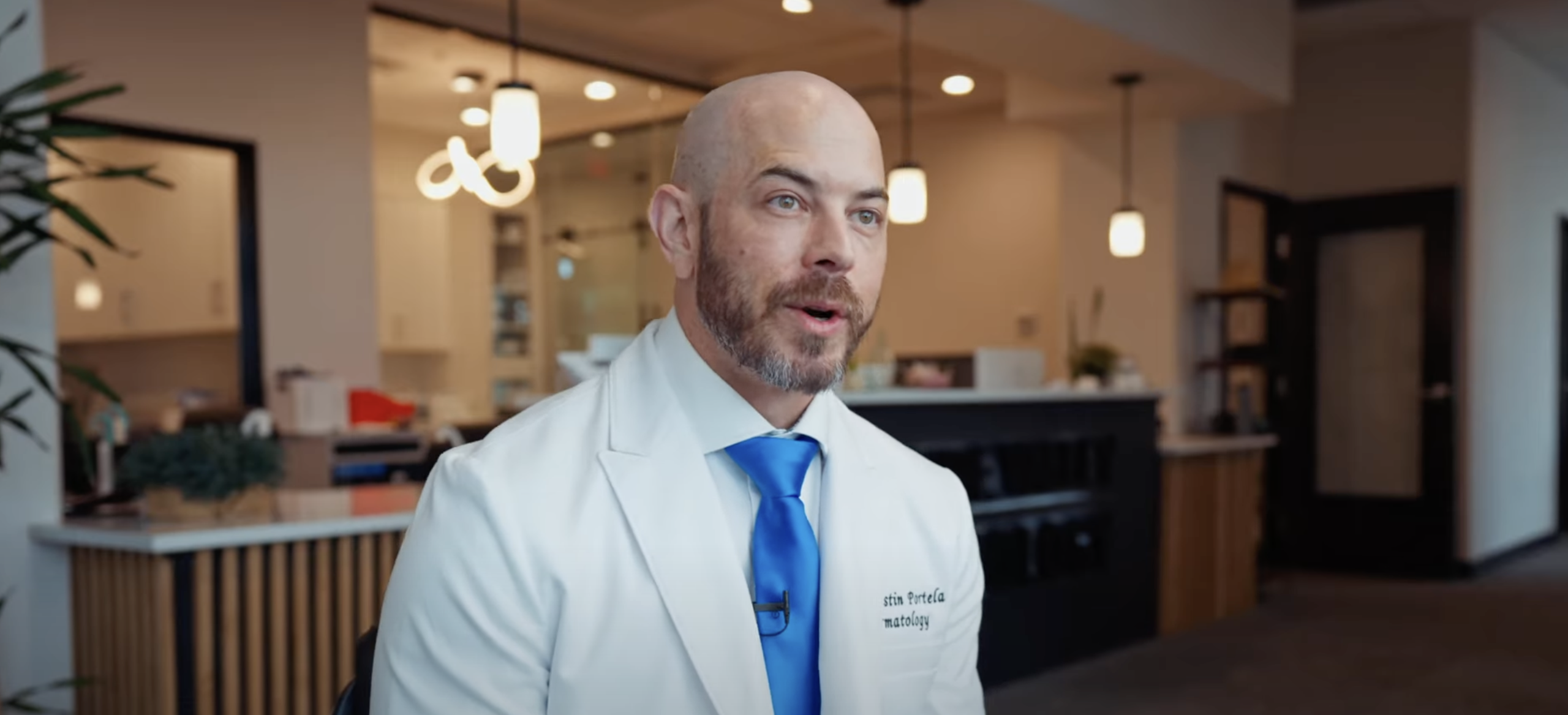
- Dr. Dustin Portela, DO, board-certified dermatologist, dermatologic surgeon, and Idaho native, brings deep clinical expertise and a lifelong understanding of the Treasure Valley's outdoor culture
- Dr. Kelsey Ferrell, DO, board-certified dermatologist and fellowship-trained Mohs surgeon, is known by patients for her thorough, attentive approach, with one patient sharing that "Dr. Ferrell stands out as the absolute best"
- Dr. Ben Buttars, DO, board-certified dermatologist and Idaho native
- TVD's board-certified dermatologists and experts in skin cancer surgery, including fellowship-trained Mohs surgeon Dr. Ferrell, mean patients rarely need to be referred elsewhere for specialized skin cancer surgery
- 700+ five-star reviews reflect a practice culture where patients feel heard, respected, and genuinely cared for, even on the busiest days
- Full-family care for medical, surgical, and cosmetic dermatology, plus access to clinical trials for eligible patients
- Two convenient locations in Boise and Meridian serve patients throughout Eagle, Nampa, Caldwell, Star, and Kuna
Schedule Your Skin Exam Today
If you've found a spot that concerns you, or it's simply been a while since your last skin check, don't wait to get answers. Our providers are ready to provide the thorough evaluation and expert care you deserve, right here in the Treasure Valley.
Schedule your appointment today at dermatologyboise.com/schedule-an-appointment, with convenient locations in both Boise and Meridian to serve you and your family.
Boise's skin experts
We specialize in treating both children and adults with both common and uncommon skin problems. We treat acne, warts, hair loss, eczema, skin cancer, itchy skin, perform skin checks, have a comprehensive skin cancer prevention system and offer many more services.