
Molluscum
Noticed small, pearly bumps on your child's skin? Learn what molluscum contagiosum looks like at each stage and how Treasure Valley Dermatology can confirm the diagnosis and guide your care plan.

Small Bumps, Big Questions: What Parents Notice First
It usually starts with one or two small, shiny bumps, often after a summer of pool days, sports practice, or shared gym mats around Boise and Meridian. Within a few weeks, more bumps appear nearby, and parents start searching for answers late at night.
You do not need to guess based on photos you find online. Molluscum contagiosum has a recognizable pattern as it progresses, and an in-person exam is the most reliable way to confirm what you are seeing and decide what, if anything, needs to be done.
What Molluscum Contagiosum Is
Molluscum contagiosum is a common, benign skin infection caused by a poxvirus. It is extremely common in children and spreads easily through direct skin contact or contact with shared surfaces like towels, bath toys, and gym equipment.
- Caused by a virus in the poxvirus family, unrelated to warts or herpes
- Most common in children ages 1 to 12, but adults and teens can get it too
- Spreads through skin-to-skin contact, shared clothing, towels, or bathwater
- More likely to spread in swimmers, athletes, and kids in daycare or school settings
- Not a sign of poor hygiene, though it can spread more easily on already-irritated skin such as eczema
What It Looks Like at Each Stage
- Early stage: Small, firm, flesh-colored or pearly bumps, often smooth and dome-shaped
- Classic stage: Bumps develop a small dimple or dent in the center, known as umbilication, which is a hallmark sign
- Irritated or inflamed stage: Bumps may become red, itchy, or slightly swollen as the immune system begins fighting the virus
- Resolving stage: Bumps flatten, scab, or crust over before clearing, sometimes leaving temporary redness or a small mark
Because these stages can look different from one child to the next, and can resemble other skin conditions, photos alone are not always enough to confirm the diagnosis. Dr. Portela, Dr. Ferrell, and Dr. Buttars can examine the bumps directly and let you know exactly what stage they are in and what to expect next.
What to Expect at Your Visit
- A focused skin exam of the affected area, and any nearby skin, to confirm the diagnosis
- A conversation about how long the bumps have been present and whether they are spreading
- Discussion of treatment options based on your child's age, number of lesions, and comfort level
- Watchful waiting is often recommended, since many cases resolve on their own over time
- In-office treatments, when appropriate, may include cantharidin application, curettage, or topical therapies
- Most visits are brief, and any in-office treatment is typically well-tolerated with minimal discomfort
- Guidance on reducing spread at home, including tips for bath time, towels, and skin-to-skin contact with siblings
Results and Timeline
Molluscum contagiosum often resolves on its own, though the timeline varies quite a bit from child to child. Many patients find that individual bumps clear within a few months, while the overall condition can take anywhere from several months up to a year or two to fully resolve without treatment.
- New bumps can continue to appear for several weeks or months as the virus spreads locally
- Treatment, when used, can help shorten the time bumps are present and reduce spread to other areas or people
- Most children clear the infection completely without scarring
- Some redness or skin discoloration can linger briefly after a bump resolves, and this typically fades over time
Who Should Be Seen for Molluscum
- Parents who notice new, unexplained bumps on a child's skin, especially with a central dimple
- Families wanting confirmation before assuming it is warts, folliculitis, or another skin condition
- Children with eczema, since molluscum can spread more easily on already irritated skin
- Kids in swim teams, daycare, or close-contact sports where spread to others is a concern
- Adults with new bumps in the genital area, which should always be evaluated by a physician
- Anyone with a weakened immune system who develops widespread or persistent lesions
- Parents who simply want an expert opinion instead of relying on internet photos to self-diagnose
Frequently Asked Questions
How can I tell molluscum apart from other bumps or warts?
The classic sign is a small central dimple, or umbilication, in the middle of each bump, though this is not always obvious in early or irritated lesions. Because molluscum can resemble folliculitis, warts, or insect bites, an in-person exam with Dr. Portela, Dr. Ferrell, or Dr. Buttars is the most reliable way to confirm the diagnosis.
Is molluscum contagiosum contagious, and how does it spread?
Yes, it spreads through direct skin contact and through shared items like towels, bath toys, and clothing. Children are often more contagious while bumps are present, which is why many families choose to schedule an appointment early to get guidance on reducing spread within the household.
Does molluscum contagiosum always need treatment?
Not always. Many cases resolve without intervention, and watchful waiting is a reasonable approach for otherwise healthy children with a small number of lesions. Treatment may be recommended for widespread cases, lesions that are spreading quickly, or when a child or parent is uncomfortable waiting it out.
How long does molluscum contagiosum typically last?
Individual bumps often clear within a few months, but the overall condition can take several months to a couple of years to fully resolve without treatment. Every child's immune response is different, which is part of why a personalized care plan matters.
Can adults get molluscum contagiosum too?
Yes, adults can get molluscum, often through skin-to-skin contact, shared equipment, or contact with an infected child in the household. New bumps in adults, especially in the genital area, should always be evaluated by a physician rather than assumed to be something else.
Why Families Across the Treasure Valley Choose TVD
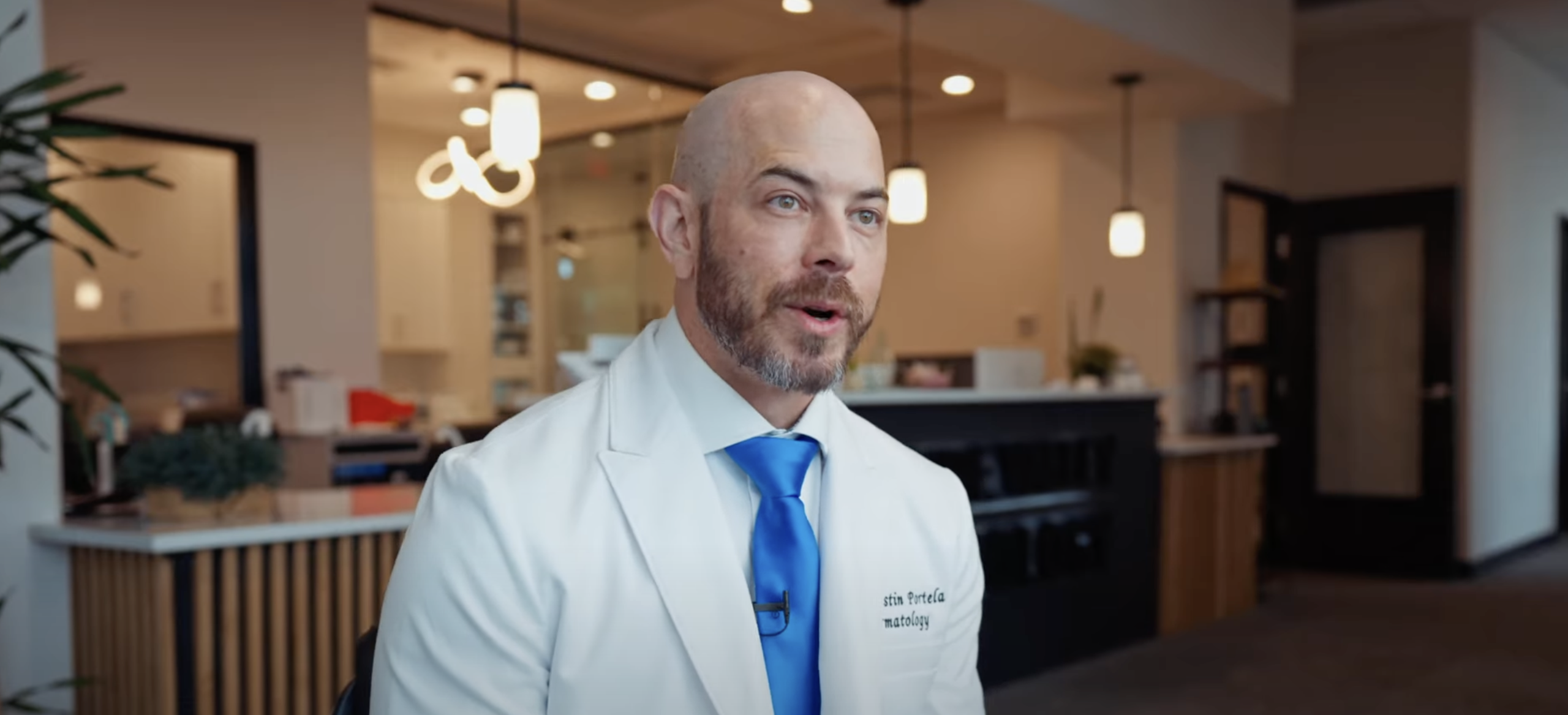
Dr. Dustin Portela, DO, a board-certified dermatologist, dermatologic surgeon, and Idaho native, and Dr. Kelsey Ferrell, DO, a board-certified dermatologist and fellowship-trained Mohs surgeon, and Dr. Ben Buttars, DO, a board-certified dermatologist, lead a full-service practice built around genuinely listening to families. Parents consistently describe the practice as "a breath of fresh air," noting that even on busy days, "you still feel like you're their only patient."
- Full-family dermatology care, from pediatric skin concerns to adult skin cancer screenings
- Board-certified dermatologists and experts in skin cancer surgery under one roof, including fellowship-trained Mohs surgeon Dr. Ferrell
- 700+ five-star reviews from patients who say the team is "committed to identifying the underlying causes" of skin concerns
- Two convenient locations serving Boise, Meridian, Eagle, Nampa, Caldwell, Star, and Kuna
- Access to clinical trials and a full scope of medical, surgical, and cosmetic dermatology services
Schedule a Skin Exam for Molluscum
If your child, or you, have developed new bumps that look like molluscum contagiosum, you do not have to figure it out alone from pictures online. Treasure Valley Dermatology's team can confirm the diagnosis, explain what stage the bumps are in, and build a care plan that fits your family's needs.
Request an appointment today at dermatologyboise.com/schedule-an-appointment at our Boise or Meridian location, and let Dr. Portela, Dr. Ferrell, and Dr. Buttars give your family clear, expert guidance.
Boise's skin experts
We specialize in treating both children and adults with both common and uncommon skin problems. We treat acne, warts, hair loss, eczema, skin cancer, itchy skin, perform skin checks, have a comprehensive skin cancer prevention system and offer many more services.