
Keratosis Pilaris
Rough, bumpy patches on your arms, thighs, or cheeks that never seem to smooth out? Our board-certified dermatologists can help you understand what's causing it and build a plan that actually works.

Those Small Bumps That Never Seem to Go Away
You've probably noticed it on the back of your arms, your thighs, or maybe your child's cheeks. Small, rough, skin-colored or reddish bumps that feel like sandpaper and don't respond to lotion, exfoliating scrubs, or the dozen products you've already tried.
Idaho's dry climate and cold winters can make keratosis pilaris more noticeable, especially when indoor heating strips moisture from the skin. If you've been told to "just moisturize more" and haven't seen real change, it may be time to talk to a dermatologist who can look closer and offer options beyond what's on the drugstore shelf.
What Is Keratosis Pilaris?
Keratosis pilaris, often called "KP," is a very common skin condition caused by a buildup of keratin, a protein that protects skin, around hair follicles. This buildup creates small, rough bumps that can look like permanent goosebumps.
- Most commonly appears on the upper arms, thighs, cheeks, and buttocks
- Often runs in families and is linked to genetics
- Frequently associated with dry skin and eczema
- Tends to flare in winter and improve somewhat in humid summer months
- Not contagious, not harmful, and not a sign of poor hygiene
- Extremely common in children, teens, and adults alike
While keratosis pilaris is a benign, harmless condition, many patients simply want it to look and feel smoother. That's where a personalized treatment plan from Treasure Valley Dermatology can help.
What to Expect at Your Visit
- Consultation: Dr. Portela, Dr. Ferrell, or Dr. Buttars will examine the affected areas and ask about your skin history, dryness, and any related conditions like eczema
- Diagnosis: Keratosis pilaris is typically diagnosed with a visual exam, no biopsy needed
- Treatment plan: May include prescription-strength exfoliating creams, topical retinoids, or medicated lotions containing lactic acid or urea
- In-office options: For more stubborn or cosmetically bothersome bumps, gentle chemical peels or laser treatments may be discussed
- At-home routine: Your provider will recommend specific cleansers and moisturizers formulated to support smoother skin between visits
- Follow-up: Most patients return for a check-in visit to adjust the plan as skin responds
Sessions are typically brief, well-tolerated, and require little to no downtime. Many patients incorporate their new routine into daily life without disruption.
What Results Typically Look Like
Keratosis pilaris tends to be a long-term, manageable condition rather than something that disappears permanently, but many patients find their skin feels noticeably smoother with consistent care.
- Initial improvement in texture may be visible within 4 to 6 weeks of starting treatment
- Redness and bump prominence often continue to soften over several months
- Ongoing maintenance, especially through Idaho's dry winters, helps sustain progress
- Flares can still occur seasonally, which is normal and expected
- Results vary based on skin type, consistency with the routine, and any underlying dryness or eczema
Your dermatologist will set realistic expectations at your visit and adjust your care plan as your skin responds.
Who Should Consider Keratosis Pilaris Treatment
- Adults and teens bothered by persistent rough patches on the arms, thighs, or cheeks
- Parents of children whose KP causes self-consciousness or discomfort
- Anyone who has tried over-the-counter scrubs and lotions without lasting improvement
- Patients with a personal or family history of eczema or very dry skin
- Those whose KP flares seasonally and want a proactive care plan going into winter
- Patients of any age, from young children to adults, since KP can appear and persist throughout life
If you're unsure whether what you're seeing is keratosis pilaris or something else, an in-person exam is the best way to know for certain.
Frequently Asked Questions
Is keratosis pilaris the same as acne?
No. Keratosis pilaris involves keratin buildup around hair follicles, while acne involves clogged pores, oil, and bacteria. They can look similar at a glance, which is why an accurate diagnosis from a dermatologist matters before starting treatment.
Can keratosis pilaris be cured permanently?
Keratosis pilaris is a chronic condition that tends to improve with consistent care but often returns if treatment stops, especially in dry or cold months. Most patients manage it long-term with a maintenance routine rather than expecting it to disappear for good.
Is keratosis pilaris treatment safe for children?
Yes. KP is extremely common in children and teens, and our providers routinely tailor gentle, age-appropriate treatment plans for younger patients. We'll walk parents through exactly what to use and how often.
Will over-the-counter products work as well as prescription treatment?
Many over-the-counter lotions can help mild cases, but persistent or more visible keratosis pilaris often responds better to prescription-strength exfoliants or retinoids. A dermatologist can help you avoid wasting time and money on products that aren't suited to your skin.
How long until I notice a difference?
Many patients begin to notice smoother texture within 4 to 6 weeks of starting a consistent routine, though full results can take a few months. Your provider will check in along the way to fine-tune your plan.
Why Choose Treasure Valley Dermatology
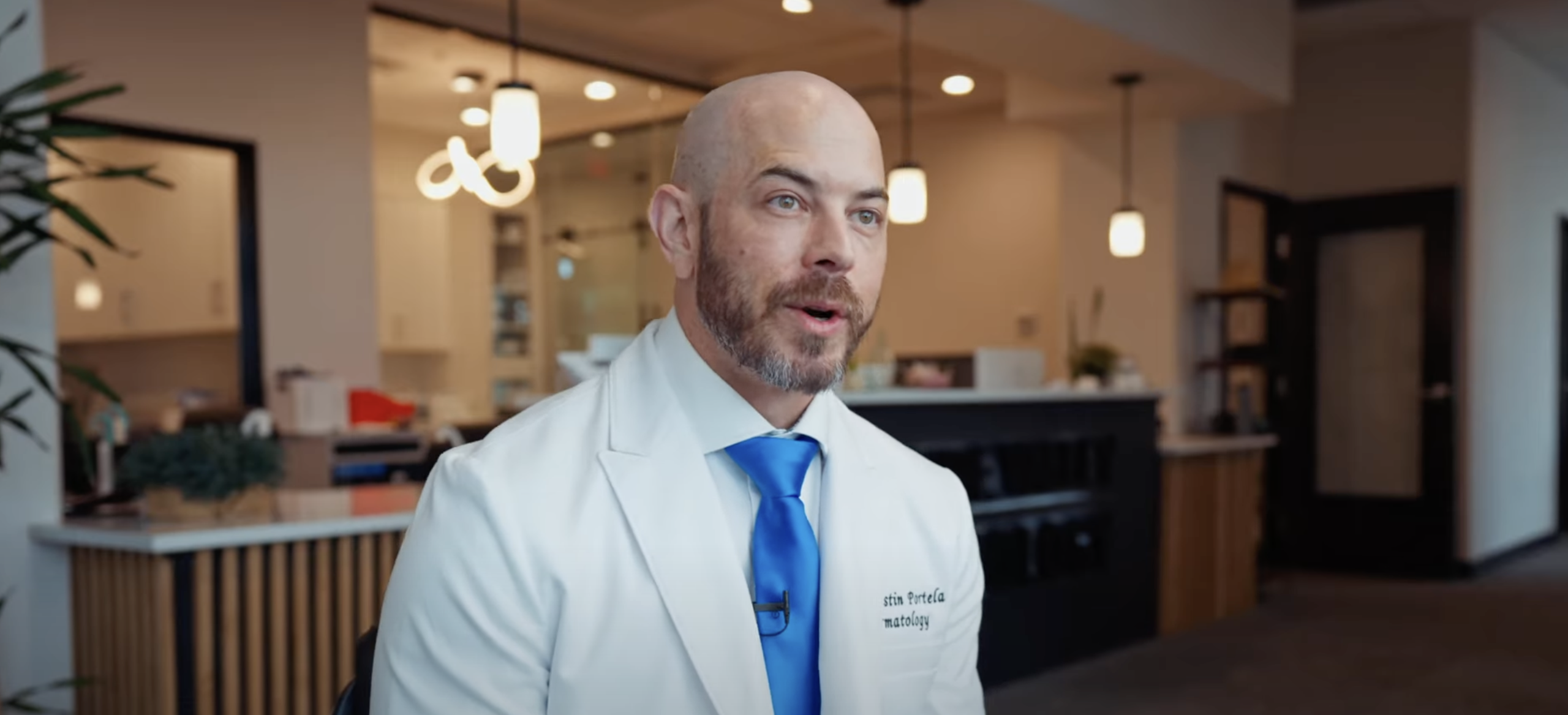
Keratosis pilaris might be common, but getting the right diagnosis and a treatment plan that fits your skin and lifestyle makes all the difference. At Treasure Valley Dermatology, Dr. Dustin Portela, Dr. Kelsey Ferrell, and Dr. Ben Buttars, all board-certified dermatologists, bring a "committed to identifying the underlying causes" approach to every visit, whether you're a parent bringing in a child or an adult who's struggled with rough skin for years.
- Three board-certified dermatologists serving patients of all ages, including children
- 700+ five-star reviews from patients who describe the practice as "a breath of fresh air"
- Full-service care spanning medical, surgical, and cosmetic dermatology under one roof
- Two convenient locations in Boise and Meridian serving the entire Treasure Valley
- A team known for making even busy days feel personal, so "you still feel like you're their only patient"
Patients consistently describe our medical assistants and front desk staff as "not in the same league as other offices, so much better," a reflection of a culture built around genuine care from the moment you walk in.
Ready to Get Answers About Your Skin?
You don't have to keep guessing about those rough patches or trying another product that doesn't work. Schedule a visit with Dr. Portela, Dr. Ferrell, or Dr. Buttars at Treasure Valley Dermatology and get a personalized keratosis pilaris care plan built around your skin and your life.
Book online anytime at dermatologyboise.com/schedule-an-appointment, or call our Boise or Meridian office to find a time that works for you and your family.
Boise's skin experts
We specialize in treating both children and adults with both common and uncommon skin problems. We treat acne, warts, hair loss, eczema, skin cancer, itchy skin, perform skin checks, have a comprehensive skin cancer prevention system and offer many more services.