
Skin Cancer Treatments
Every skin cancer is different, and so is the right treatment. Our board-certified dermatologists and experts in skin cancer surgery offer a full range of options and will match the approach to your diagnosis.

Finding a Spot That Concerns You Is Never Easy
Idaho's high-altitude sun and outdoor lifestyle mean many of our patients spend decades on the ski hill, the river, or the trail before a spot on their skin ever gets a second look. Whether a provider flagged something during a screening or you noticed a scaly patch that will not heal, hearing the words "skin cancer" is unsettling, and it is completely normal to want to understand your options.
You are not alone, and you do not have to make this decision without guidance. Our board-certified dermatologists and experts in skin cancer surgery work with patients across the Treasure Valley every week to find the treatment path that fits their diagnosis, their skin, and their life. Patients may be seen by any of our providers, and every recommendation is tailored to the specific type, depth, and location of the cancer or precancer.
Skin Cancer Treatments We Offer
Not every skin cancer needs the same approach. Depending on your biopsy results, the location of the lesion, and your overall health, your provider may recommend one of the following.
- Mohs micrographic surgery: The gold standard for many basal cell and squamous cell carcinomas, especially on the face, ears, scalp, and hands. Tissue is removed and examined layer by layer under the microscope in real time until the margins are clear, which offers one of the highest cure rates available while preserving healthy skin.
- Surgical excision: The cancer and a margin of surrounding skin are removed in one procedure and sent for pathology. Often used for lesions on the trunk, arms, or legs where tissue preservation is less critical.
- Electrodesiccation and curettage (ED&C): A quick, in-office procedure in which the cancer is scraped away with a curette and the base is treated with a gentle electric current. Commonly used for superficial basal cell carcinomas, thin squamous cell carcinomas, and precancerous lesions.
- Topical chemotherapy: Prescription creams such as 5-fluorouracil or imiquimod applied at home over several weeks. An option for superficial basal cell carcinoma and for fields of actinic keratoses (precancers) on sun-damaged skin.
- Laser treatment: Laser resurfacing can treat areas of widespread sun damage and precancerous lesions, and in select cases certain superficial skin cancers, with a focus on improving both the health and appearance of the skin.
- Cryotherapy (liquid nitrogen): Freezing is a fast, well-tolerated treatment for actinic keratoses and other precancerous spots.
What to Expect
- Consultation: Your provider reviews your pathology and discusses which treatment is best suited to your case, including the reasoning behind the recommendation
- In-office procedures: Mohs surgery, excision, and ED&C are performed under local anesthesia in our office, and most patients describe them as well-tolerated with minimal discomfort
- At-home treatments: Topical chemotherapy is applied at home on a schedule your provider sets, with check-in visits to monitor the skin's response
- Downtime: Varies by treatment. Many patients return to normal activities within a day or two after ED&C or cryotherapy, and within several days after surgery
- Skin response: Redness, crusting, or irritation in the treated area is common and expected as the skin heals, particularly with topical and laser treatments
- Follow-up: Your care team monitors the treated area and schedules ongoing skin checks, since a prior skin cancer increases the likelihood of future ones
What Results Look Like
Most skin cancers treated at Treasure Valley Dermatology are successfully removed with high cure rates, especially when caught early. Healing timelines depend on the treatment used and the location of the lesion, and scarring generally improves in appearance over several months.
As with any skin cancer treatment, ongoing skin checks remain an important part of your long-term care plan, particularly for patients with a history of significant sun exposure common to Idaho's outdoor lifestyle.
Who Should Be Evaluated
- Adults diagnosed with basal cell carcinoma, squamous cell carcinoma, or melanoma confirmed by biopsy
- Patients with actinic keratoses or other precancerous spots from years of sun exposure
- Patients on blood thinners or with health conditions that may affect which treatment is appropriate
- Patients with lesions in cosmetically sensitive areas, such as the nose, ears, or face
- Anyone with a spot that bleeds, scabs, or will not heal within a few weeks
- Anyone wanting a second opinion on treatment options after a skin cancer diagnosis
Frequently Asked Questions
How do you decide which skin cancer treatment I need?
The recommendation depends on the type of skin cancer, how deep it goes, where it is located, and your overall health. Your provider will walk you through the reasoning so you understand why one approach is recommended over another.
What is electrodesiccation and curettage?
ED&C is a quick in-office procedure in which the cancer is scraped away and the base is treated with a gentle electric current to destroy any remaining cells. It is well suited to superficial basal cell carcinomas and some thin squamous cell carcinomas, and most patients go home the same day with a simple wound care routine.
Can skin cancer be treated with a cream?
Yes, in select cases. Topical chemotherapy creams can treat certain superficial basal cell carcinomas and are commonly used for actinic keratoses, the precancerous spots that develop on sun-damaged skin. Your provider will confirm whether your diagnosis is appropriate for a topical approach.
Can laser treatment help with skin cancer or precancers?
Laser resurfacing can treat areas of widespread sun damage and precancerous lesions, and in some cases certain superficial skin cancers. It is often considered for patients with many actinic keratoses across a larger area, such as the face or scalp.
Will I need Mohs surgery?
Not always. Mohs surgery is recommended when preserving healthy tissue matters most, such as on the face, ears, or hands, or when a cancer has aggressive features. Many other skin cancers and precancers are treated effectively with excision, ED&C, topical chemotherapy, or laser.
Why Treasure Valley Dermatology
- Board-certified dermatologists and experts in skin cancer surgery under one roof, including fellowship-trained Mohs surgeon Dr. Kelsey Ferrell
- A full range of skin cancer treatment options, from Mohs micrographic surgery and excision to ED&C, topical chemotherapy, laser, and cryotherapy, tailored to each diagnosis
- Patients may be seen by any of our providers, so you can get in quickly and stay with the same team from screening through treatment
- 700+ five-star reviews reflect a practice patients describe as "a breath of fresh air" with staff who are "so professional, skilled, and efficient"
- Full-service dermatology for the whole family, from pediatric skin concerns to adult and senior skin cancer care
- Two convenient locations serving Boise, Meridian, Eagle, Nampa, Caldwell, Star, Kuna, and the surrounding Treasure Valley
- Access to clinical trials for patients seeking additional treatment options
Schedule Your Consultation Today
If you have been diagnosed with skin cancer or a precancer and want to understand your treatment options, our team is here to walk you through them with clarity and compassion. Your provider will review your diagnosis and recommend the treatment path that best supports your health and your peace of mind.
Visit dermatologyboise.com/schedule-an-appointment to book a consultation at our Boise or Meridian location. Your skin deserves a care team that treats you like more than just a case number, and ours is ready when you are.
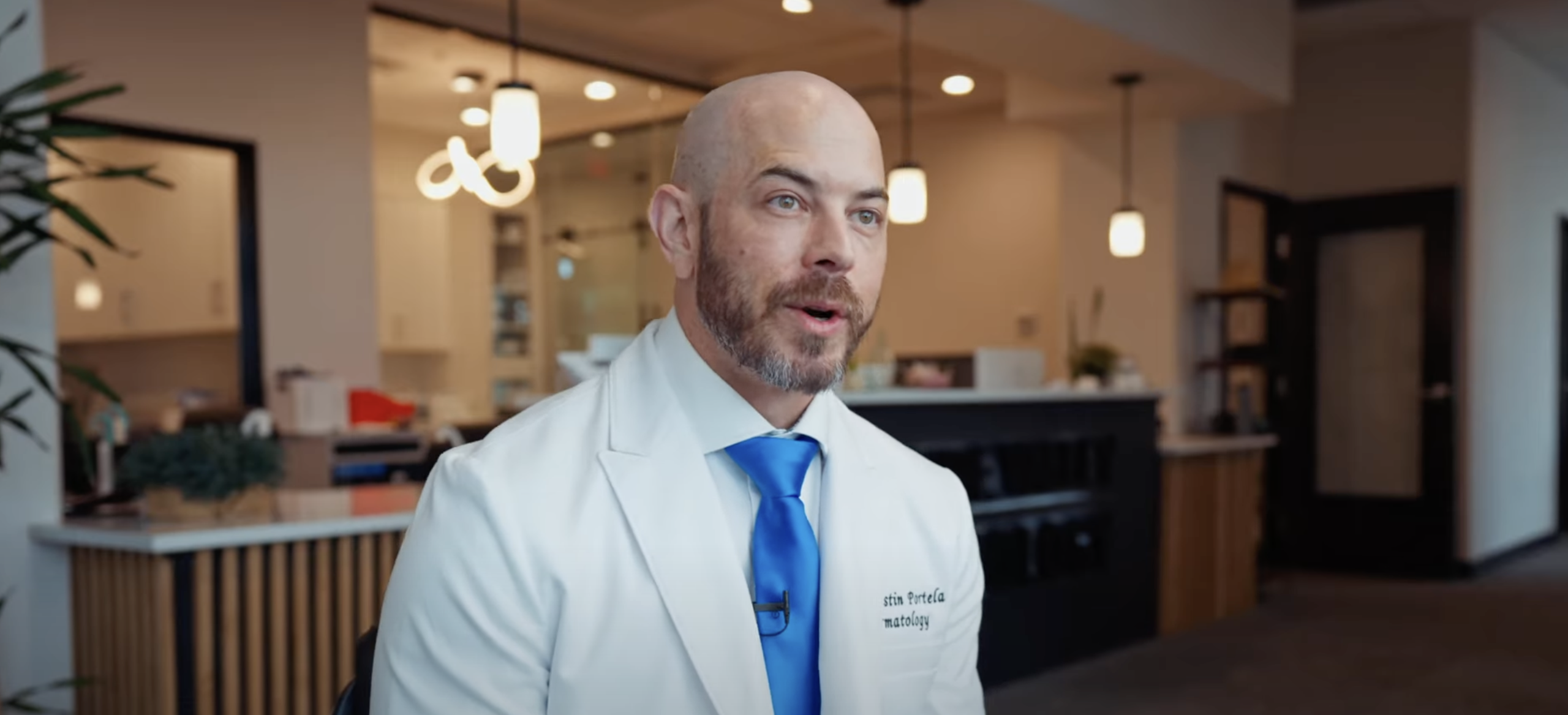
Boise's skin experts
We specialize in treating both children and adults with both common and uncommon skin problems. We treat acne, warts, hair loss, eczema, skin cancer, itchy skin, perform skin checks, have a comprehensive skin cancer prevention system and offer many more services.